Personal and professional development for employees
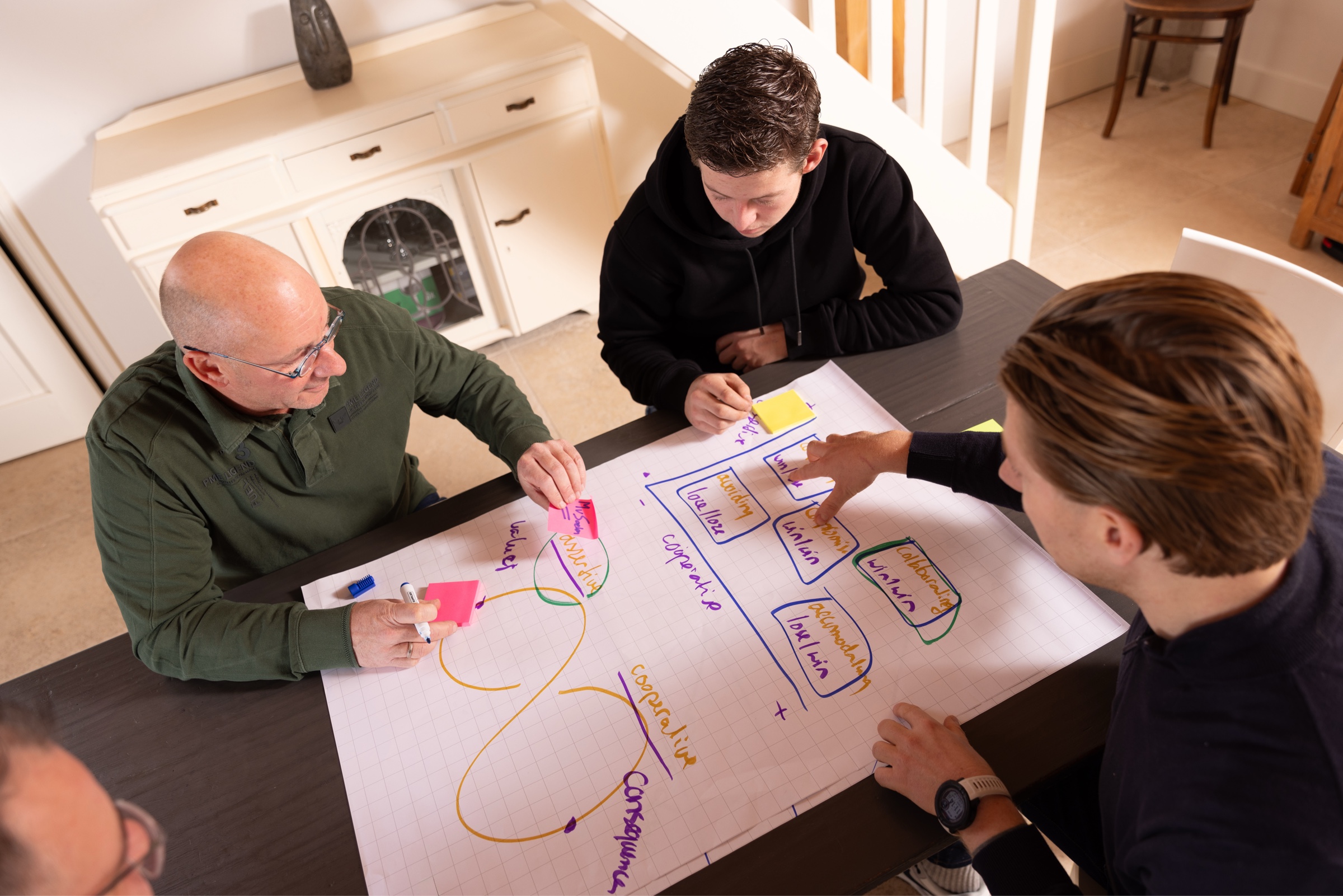
For quite some time now, many organisations in the Netherlands have been under pressure to remain attractive to employees. Figures from Statistics Netherlands (CBS) show that sickness absence in 2024 averaged 5.3 per cent, one of the highest percentages in decades. At the same time, the labour market remains structurally tight: in many sectors, there are more vacancies than job seekers. Retaining employees is therefore more important than ever. Supporting employees in both their personal and professional development can make all the difference. When you give employees the opportunity to develop personally and professionally, you see that they enjoy their work more and approach it with greater energy and engagement. In doing so, you motivate employees, keep them involved and become more attractive as an employer.
“We see every day what a significant difference attention to employees’ professional development makes,” says Matthijs van der Bijl of Engagement Builders. “Engaged people call in sick far less quickly and are willing to go the extra mile when they know their employer invests in them. And when people feel good in their role, we often see them recommending friends or contacts for open positions. Ideal.”
How personal development increases job satisfaction
Personal development is about self-awareness, resilience, and the ability to develop your unique talents into strengths, aligned with your personal ambitions and aspirations. Research by Hogeschool Utrecht shows that job satisfaction increases when there is a healthy balance between job demands and energy resources. Factors such as autonomy, development opportunities and a culture that values learning are decisive in this. HR research by Personio confirms this as well: employees who are given opportunities to develop experience greater fulfilment and are more productive.
Additionally, there is a clear link with wellbeing. Anyone who invests in their career invests in themselves, and this contributes not only to professional success but also to personal wellbeing and job satisfaction. For organisations, this means that investing in personal development is not a luxury but a critical success factor and an essential condition for sustainable employability. Ultimately, organisations perform better when employees continue to develop and experience greater enjoyment in their work.
Professional development and training programmes
Professional development focuses on strengthening the knowledge, skills and competencies that directly contribute to the quality of work. It goes beyond stand-alone courses: training programmes create structural growth and long-term anchoring. Research from Inholland Academy shows that targeted development leads to improved performance, greater self-confidence and a stronger sense of job satisfaction. When employees feel that their employer is investing in their growth, they experience a deeper connection with the organisation.
Research from the Antwerp Management School also indicates that the effectiveness of training programmes depends on the right conditions. Soft skills, such as collaboration and communication, are only truly applied when there is a culture in which leaders actively support these skills and create room for applying them in practice. This requires programmes that connect to daily reality and integrate leadership into the development process.
“We have seen that young professionals who are trained by us in leadership and collaboration return to the workplace full of energy, only to get stuck because their managers speak a completely different language,” says Matthijs. “But once managers also start applying the same principles, teams begin to collaborate much more effectively and young people finally feel taken seriously.”
Professional development also has clear strategic value. Organisations that invest in it increase their agility. In a rapidly changing market, employees with the right skills can respond more quickly to new circumstances. As a result, development becomes not only a tool for individual success, but also a driver of innovation and competitive strength.
Cohesion and synergy
Personal and professional development reinforce each other. Personal growth gives employees the motivation and resilience to acquire new knowledge and skills. Professional programmes ensure that this development becomes concrete and applicable in daily work, helping employees connect more effectively in their collaboration. Organisations that combine both create a culture in which learning is natural and employees draw energy from their work.
In a tight labour market, developing employees is no longer optional. Personal and professional development increase job satisfaction, strengthen performance and make organisations more attractive as employers. It requires vision, tailored approaches and strong leadership, but the return is significant: employees who stay longer, work with more energy and contribute more strongly to shared goals.
Would you like to know how Engagement Builders supports clients in achieving this? contact us and we’ll be happy to tell you more. You can also download one of our whitepaper, such as the one bouwen van academies binnen bedrijven, for more information about our vision and approach.
Sources
- CBS: https://www.cbs.nl
- Hogeschool Utrecht: https://www.hu.nl/werkplezier-van-docenten-bevorderen-is-nodig-om-onderwijsproblemen-aan-te-pakken
- Personio: https://www.personio.nl/hr-woordenboek/werkplezier/
- Inholland Academy: https://www.inholland.nl/academy/opleidingstips-en-inspiratie/professionele-ontwikkeling/
- Antwerp Management School: https://www.antwerpmanagementschool.be/nl/onderzoek/human-impact/toekomst-van-werk/research/impact-van-opleidingen-in-bedrijven