Team Development: Continuous Learning, Planning and Targeted Training
People who continue to learn gain more energy, feel more competent and take initiative more readily. They collaborate better and approach their work with more pleasure. The same applies to teams: as soon as learning becomes a fixed part of the way you work together, space for improvement emerges. Teams become more creative, switch gears faster and tackle challenges with more confidence. Team development therefore not only delivers better results but also strengthens mutual connections. In a world full of change, this is not a luxury but a prerequisite for remaining agile.
“What we often see is that organizations invest very specifically in individual development, but much less in the team as a whole,” says Matthijs van der Bijl of Engagement Builders. “While it is precisely the collaboration, the language you speak together and the way you reinforce each other that ultimately make the difference in practice.”
Continuous Development
The idea of learning as something you do exclusively during your school years is now outdated. The labor market and technology change too rapidly and employees change roles or employers more frequently. Continuous development is therefore essential. For individual employees, this means continuing to learn to stay relevant. For teams, it means they must continue to grow together in collaboration, communication, alignment and shared goals.
Research by TNO and Erasmus University Rotterdam, among others, indicates that continuous development not only provides new knowledge but is also linked to more resilience, engagement and job satisfaction. Teams that regularly acquire new skills and learn to reflect function demonstrably better and remain more agile in a rapidly changing environment. This effect is reinforced when teams structurally make time to learn together, for example through reflection moments, feedback sessions or short learning interventions, causing them to perform demonstrably better.
A useful framework here is systemic team coaching. This model looks not only at the team itself but also at the environment the team is part of: the organization, customers, stakeholders and processes they deal with. In the context of continuous development, this means that a team learns not only to collaborate better internally but also to look more consciously at the impact they have on their environment.
Systemic team coaching specifically helps teams to:
- recognize patterns that hinder collaboration
- better understand how their choices and behavior affect other departments
- switch gears faster when the environment changes
- take collective responsibility for results instead of only for individual tasks
Through this broader perspective, continuous development becomes less of something that happens “alongside the work” and instead becomes a part of daily actions. Teams do not just learn new skills but apply them directly within their own system.
“Systemic team coaching makes visible what is happening beneath the surface: patterns in communication, responsibility and decision making. We often see that teams subsequently make decisions faster, address each other more easily and lose less energy to noise. The result is more ownership, more trust and better collaboration.”
— Matthijs van der Bijl, owner and trainer (Engagement Builders)
Team Development Plan
Team development does not happen by itself. It requires direction, structure and clarity. A team development plan helps to make this concrete. It makes visible what is going well, where the growth opportunities lie and what steps are needed to become stronger as a team.
Many organizations work without a clear plan, leaving development ad hoc and fragmented. In the whitepaper Academy Building, Engagement Builders describes how important it is to organize development in an integrated and strategic manner. Not as a separate training session but as an ongoing part of the work. This prevents knowledge from leaking away and ensures that teams speak the same language and collaborate in the same way.
A good team development plan contains:
- Shared goals: Where does the team want to go and what needs to improve?
- Roles and responsibilities: Who does what and why?
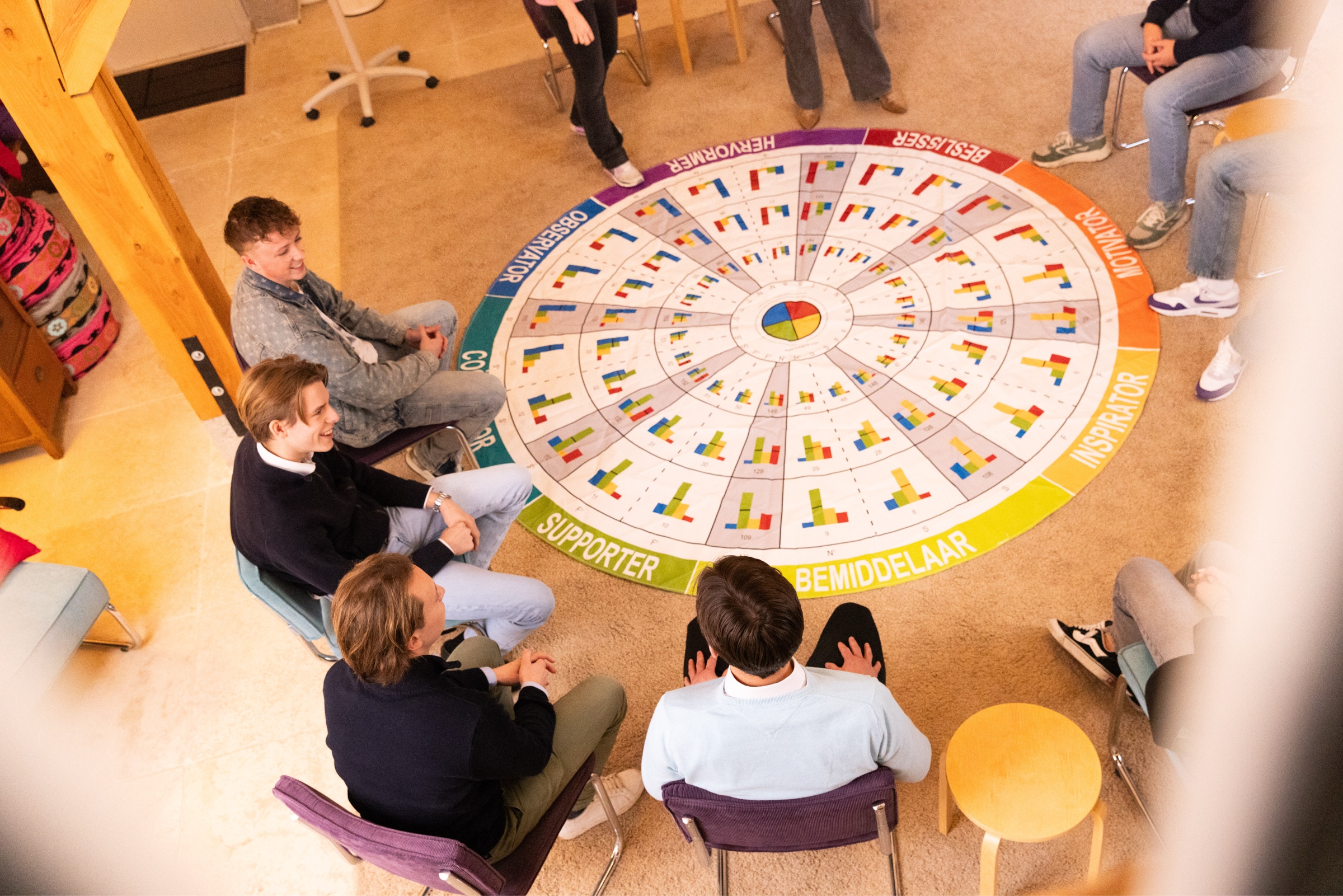
- Talent and team profiles: Where do the strengths and development opportunities lie?
- Clear agreements: How collaboration, communication and decision making are handled.
- Structural learning moments: Short cycles in which teams reflect, learn and refine.
In this way, team development moves from something optional to something that is embedded in daily practice.
Training to Develop Teams
With a clear plan, space is created to train on the themes that truly matter. Team training helps in developing skills such as communication, giving feedback, collaborating, conflict management and collective decision making. Research shows that team training not only improves performance but also ensures more trust and a better mutual atmosphere.
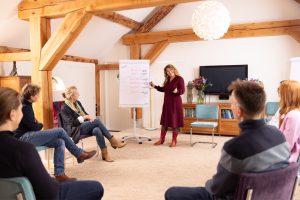
At Engagement Builders, we always choose customization. Sometimes there is a need for skills such as effective meeting management or improving collaboration. Sometimes the question lies more in underlying patterns or culture. Training and coaching are then combined so that teams not only gain new insights but also learn to apply them in practice. That is where sustainable change occurs.
There is also an important role for HR or L&D professionals. They can help anchor team development by:
- facilitating development cycles
- offering learning formats that fit the culture and goals
- making results measurable
- supporting leaders in their role regarding team development
Getting Started
Team development only becomes powerful when insights are converted into daily behavior. For many organizations, this begins with creating a learning culture: making room to reflect together, building new habits and adjusting each other. Continuous development, a clear team development plan and targeted team training form the basis of this. Systemic team coaching then helps to break patterns and strengthen collaboration sustainably, so that teams not only perform better but also work together with more pleasure and confidence.
Engagement Builders guides teams and organizations in various sectors in setting up and executing this approach. From building complete in-company Academies to guiding team development plans and training sessions: always aligned with the context and culture of the organization. If you want to discover what this way of working can mean for your team or organization, we would be happy to think along with you about how to take the first step. Contact us at 085 1302358 or info@engagementbuilders.nl.
Sources:
Erasmus University Rotterdam – Lifelong Learning: https://www.eur.nl/en/continuing-education/news/why-lifelong-learning-matters-more-ever